Choosing between precast concrete and natural limestone is one of the most common decisions on an Ontario facade — and one of the easiest to get wrong. Both can look exceptional. Both hold up to our winters when they're specified properly. But they are different products, priced differently, and they age in completely different ways. Here is how to decide which one belongs on your building.
Choose precast concrete when you need large areas or many repeated pieces at a controlled cost. Choose natural Indiana Limestone when authenticity, fine detail, or matching existing stone matters — especially on heritage work and feature elements like entrances and columns. Many of the best facades use both.
What Precast Concrete Cladding Is
Precast concrete is manufactured, not quarried. A concrete mix is cast into a mould, cured under controlled conditions in a plant, and delivered ready to install. Because every piece comes from a mould, precast is extremely good at repetition: the fortieth window surround matches the first. Colour and texture are designed into the mix, and the same mould can produce panels, sills, banding, coping, steps, and entrance elements at a lower cost per piece than cutting each one from solid stone.
What Indiana Limestone Cladding Is
Indiana Limestone is a natural sedimentary stone quarried in south-central Indiana and used on North American buildings for well over a century — including the Empire State Building and the Washington National Cathedral. It is cut, and where needed carved by hand, rather than cast. That is what lets it hold crisp, fine-grained detail. Because it is a natural material, no two pieces are identical; slight variation in tone and grain within a colour family is part of its character.
Side-by-Side Comparison
| Factor | Precast Concrete | Indiana Limestone |
|---|---|---|
| Origin | Manufactured in a mould | Quarried natural stone |
| Consistency | Highly uniform piece to piece | Natural variation within a colour family |
| Fine detail | Good, limited by the mould | Excellent; can be hand-carved |
| Ageing | Holds its day-one look; doesn't improve | Develops a soft patina over decades |
| Cost | Lower per piece, especially at volume | Material premium |
| Best for | Large areas, repeated profiles, commercial work | Entrances, columns, feature elements, heritage |
What Drives the Cost of Each
Precast gets more economical the more pieces share a mould. A large commercial facade or a subdivision of homes with the same window surrounds is where it shines. Limestone's premium comes from quarrying, cutting, and — where the design calls for it — hand carving. That premium matters least on a small number of high-impact pieces and most across large flat areas. The practical takeaway: price the job by element, not by building. The cheapest facade is rarely all one material.
How Each Handles Ontario's Freeze-Thaw Cycles
Both materials perform well through Ontario winters when specified and installed correctly. Precast performance depends on mix design, reinforcement, and fabrication quality, so the fabricator matters as much as the material. Indiana Limestone has a longer documented record: buildings clad in it a century ago are still standing with the stone showing weathering, not failure. For either material, the details that protect it — wash slopes, drip edges, flashing, and proper joints — matter as much as the stone itself.
How Each Looks After 20 Years
This is where the two materials diverge most. Precast concrete is engineered to look the way it did on day one, and good precast does. Natural limestone moves in the other direction: it softens and deepens in colour as it weathers, and many owners find it looks better at twenty years than it did at installation. If that earned character matters to you, limestone is hard to substitute.
When Custom Precast Concrete Is the Right Call
Custom precast is the right choice when a project needs:
- Volume — many identical or near-identical pieces, such as sills, banding, or coping across a large building.
- Large formats — facade panels, steps, platforms, and entrance systems that would be impractical to cut from solid stone.
- Structural or commercial specifications — elements produced to an engineer's drawings with full shop drawing packages.
- Budget control across a large area — architectural definition without the material premium on every square foot.
Because it is cast to order, custom precast isn't limited to stock profiles. A mould can be made for the shape your design calls for. See our precast concrete products for the range we fabricate.
When Indiana Limestone Is Worth the Premium
Limestone earns its cost when:
- You are matching existing stone on a renovation, addition, or heritage building — a manufactured product will read as a repair indefinitely.
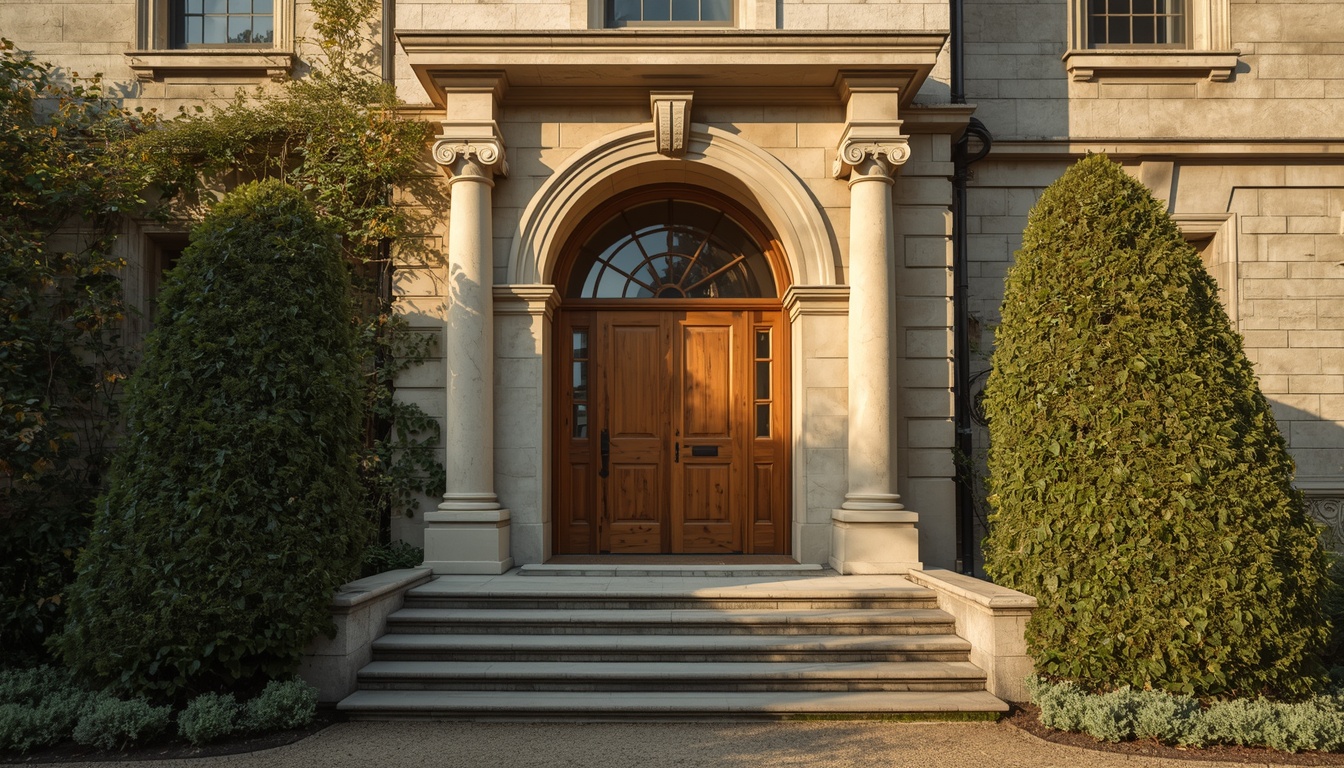
- The piece is a focal point — an entrance surround, columns, a carved keystone, or anything people will see up close.
- Fine or hand-carved detail is required — capitals, ornament, lettering, or custom profiles.
- Longevity and authenticity are part of the brief, not just appearance on handover day.
Explore our Indiana Limestone products.
Using Both on the Same Building
Some of the strongest facades combine the two deliberately: precast for large-format and repeated elements, limestone for the pieces that carry the most visual weight. The risk with a mixed facade is coordination — two suppliers, two sets of tolerances, two colour standards. Tulip fabricates both limestone and precast concrete in the same Brampton facility, so mixed specifications are detailed together, matched in colour and profile, and scheduled through one point of contact.